DSLR vs. Mirrorless - Which is Right For You?
Dec 02, 2025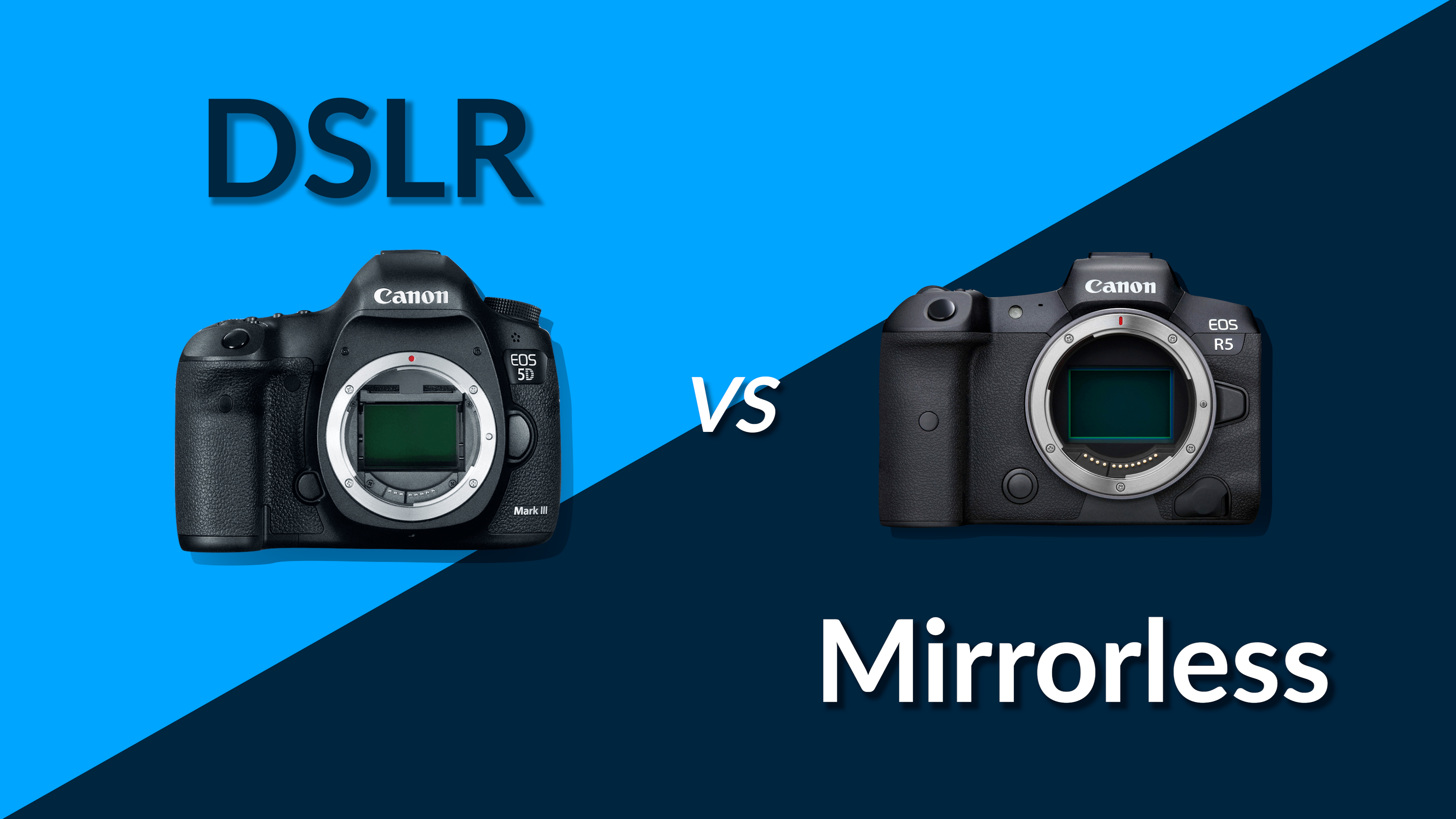
The first camera was invented almost 210 years ago in 1816! As you can imagine, camera technology has evolved over time and things look and feel a bit different than they did way back then. If you’re beginning the search for your first camera, you’re probably seeing words and phrases like DSLR and mirrorless, but what does it all mean, and how do you know which option is right for you? The good news is that it’s much less complicated than it sounds, and today I am going to remove the mystery so that you can shop with confidence, knowing exactly what to look for. Let’s start by addressing the similarities and differences of a DSLR camera versus a mirrorless camera.
DSLR Cameras
DSLR stands for Digital Single-Lens Reflex. This is a mouthful, but basically means your light is sent through a lens and redirected to your viewfinder (the box you look through to see the image). So how does it work? As the light funnels through your lens, it is met by a small, angled mirror that forces the light up into a 5-sided prism called a pentaprism, which redirects the light to go out of the viewing hole. When you push the shutter button to snap a photo, the first mirror physically flips out of the way allowing the light to go straight into the sensor ultimately capturing the image.
This can be challenging because while it allows you to see an unprocessed image, you’re not able to see certain setting adjustments until after the image has been captured. That’s unfortunately not the only downside here though. DSLR camera bodies have to be bulkier to accommodate for the mirrors and mechanical components, and the mechanical parts can also wear out over time which reduces the reliability and longevity of your camera. And lastly, the mirror-flipping action is noisy which isn’t ideal for quiet environments.
Mirrorless Cameras
Now that we’ve addressed how all of the mirrors work inside of a DSLR camera, you can probably take a 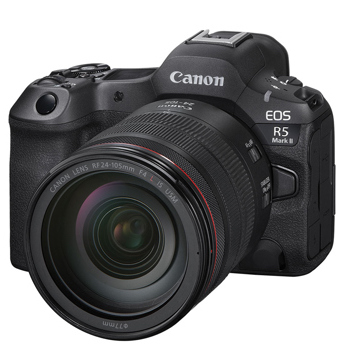 wild guess as to one major difference between that and a mirrorless camera… NO MIRRORS! Instead of redirecting light to the viewfinder, a mirrorless camera allows the light to go straight into the image sensor, and then the camera’s computer sends an image preview to the electronic viewfinder (EVF), or to a digital display on the back of your camera.
The first mirrorless cameras started becoming commercially available in the early to mid 2000s making this a much newer technology which offers several benefits. First of all, by removing the mirrors and mechanical components, a mirrorless camera body can be much lighter and slimmer which is great for travel or long shoots. Mirrorless cameras are also much quieter, and they allow you to see real-time adjustments to exposure, among other settings, right inside the EVF or digital display. A disadvantage to this setup, however, is that electronic displays draw a lot of power making mirrorless cameras less efficient when it comes to battery life.
Which One is Better For You?
With a better understanding of how each camera works, in addition to the advantages and disadvantages of each system, this raises the final question: which one is better for you?
A lot of this will depend on where you’re at in your journey, and what you intend to use your camera for. Since DSLRs use older technology, they tend to be cheaper than mirrorless cameras which can be great for someone starting out on a budget. This may also be a great place to start for those looking to get into photography. The extra weight isn’t a huge deal when you don’t have a bunch of other gear to carry and frame rate limitations won’t cause you any issue because you won’t be shooting video.
On the flip side, mirrorless cameras are the future. Due to fewer mechanical parts, they are more reliable, they can shoot at higher frame rates which is great for video, and the small form factor makes them easy to pack or throw on a gimbal. The last thing I’ll say about mirrorless cameras is that many mirrorless models have in-body image stabilization, meaning the internal sensor is free to float so you get a much smoother shot.
It’s important to note that both DSLR and mirrorless cameras can capture amazing photos and videos. It is my opinion, however, that if you can save a bit more to get started with a mirrorless camera, it will be well worth the investment.
The Best Camera is the One You Have
My mission has always been to help you do more with less, and I am a firm believer in that the best camera is the one you can start working with today. If your budget is tight, I would encourage you to check out the used mirrorless market. Otherwise, there are plenty of affordable entry-level mirrorless cameras that can get you great results! And if DSLRs are your jam, by all means take the photos, shoot some video, and share your results!
Remember, it all comes down to your unique use-case. While DSLRs are great for photography, they do have some limitations for video. Whereas, mirrorless cameras are equally as powerful in the world of photo and video. You be the judge! Experiment with each system and decide for yourself. At the end of the day, pick something that’s comfortable, and inspires you to create something amazing. That is what truly matters. Until next time, my friend, happy shopping!
Discover The 6 Steps to Creating Pro Video Without Pro Gear
Enter your name and email below to receive your free 18-page PDF guide,
"6 Steps to Creating Better Video"
We hate SPAM. We will never sell your information, for any reason.